From raw fibre to sacks and yarn: the machines a jute mill needs
A step-by-step guide to softening, carding, spinning and weaving jute, the machine that does each job, and how to ask for a quotation.
A step-by-step guide to softening, carding, spinning and weaving jute, the machine that does each job, and how to ask for a quotation.
Type a machine name or a step of the work.
No match yet. Tell us what you need and we will help. Get a quote
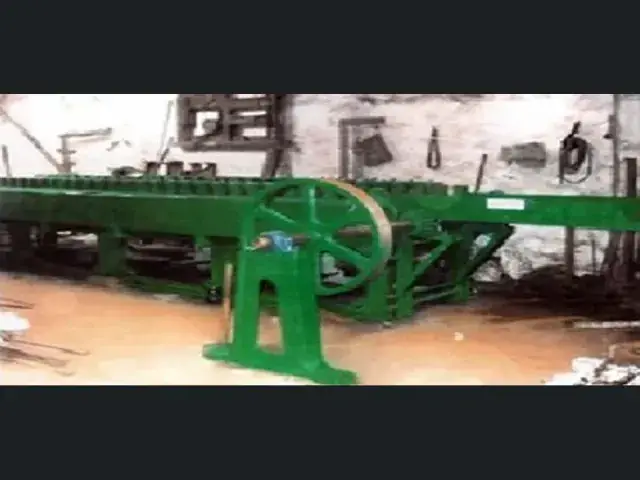
Step 1: Softening
Fluted rollers that crush and bend raw jute while it is sprayed with water and oil emulsion, making the fibre soft and supple.
Availability subject to feasibility check
Request this machineStep 2: Carding
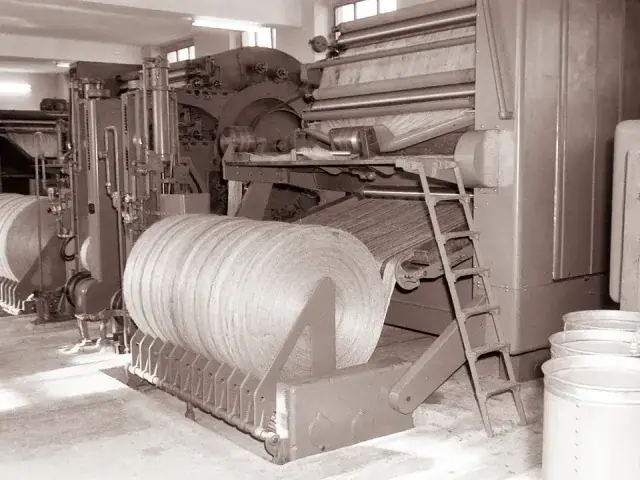
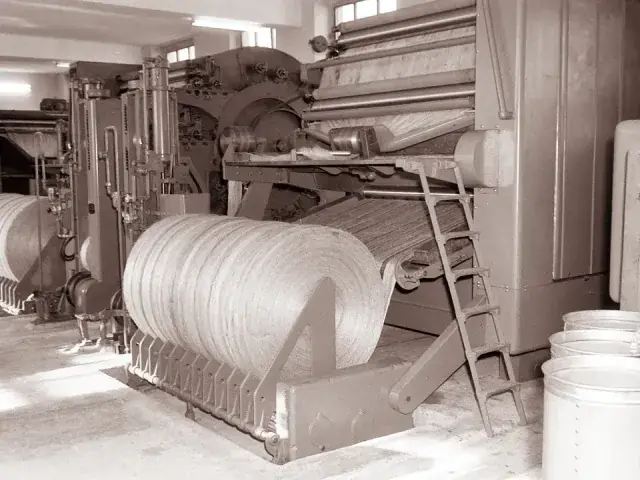
A large cylinder with pins that tears the softened jute into finer fibres and forms a loose sliver.
Availability subject to feasibility check
Request this machineStep 2: Carding
A finer card that opens the sliver further and blends it into a more even ribbon of fibre.
Availability subject to feasibility check
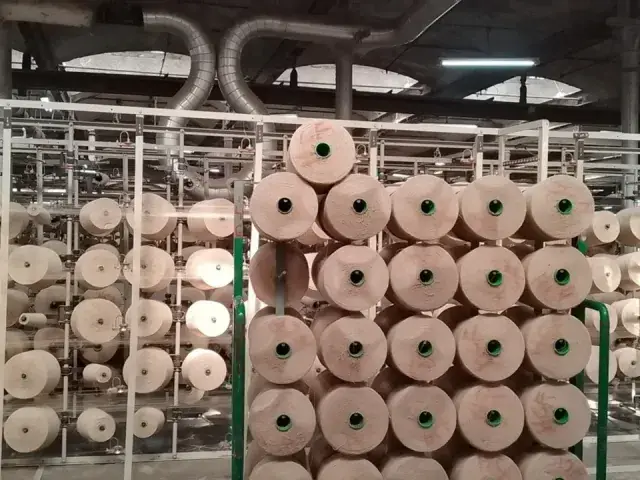
Request this machineStep 3: Drawing
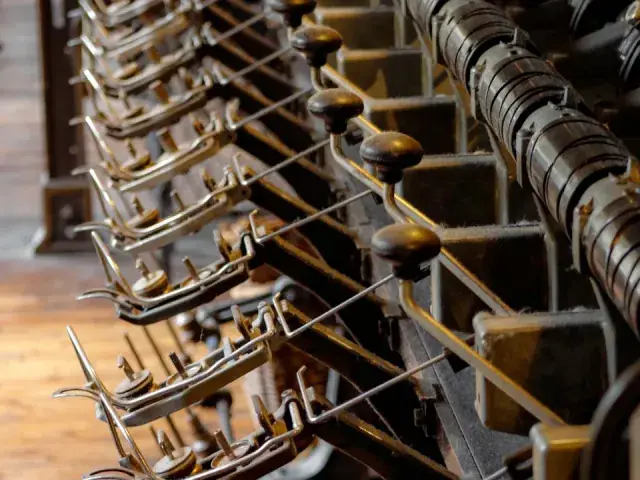
Combines several slivers and draws them out between gill pins, so the sliver becomes even and the fibres lie parallel.
Availability subject to feasibility check
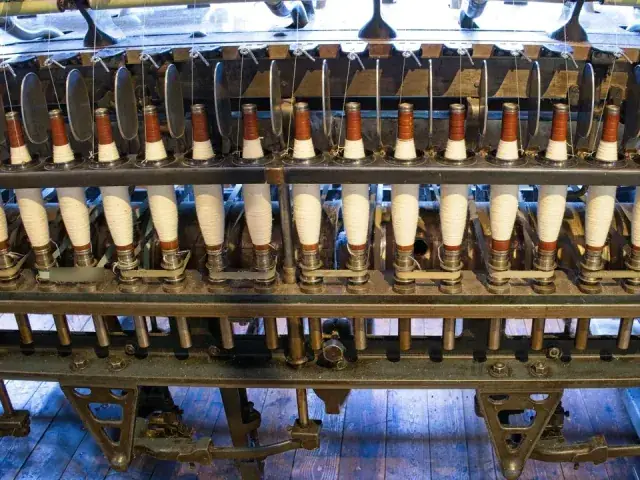
Request this machineStep 4: Spinning
Draws the sliver thinner and twists it into jute yarn on rows of flyers.
Availability subject to feasibility check
Request this machineStep 5: Winding
Winds yarn from spinning bobbins onto large spools for the warp.
Availability subject to feasibility check
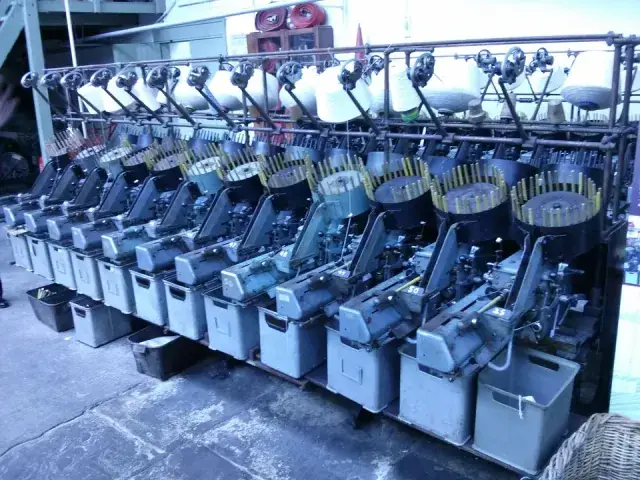
Request this machineStep 5: Winding
Winds yarn into cops, the compact packages that go into the loom shuttles as weft.
Availability subject to feasibility check
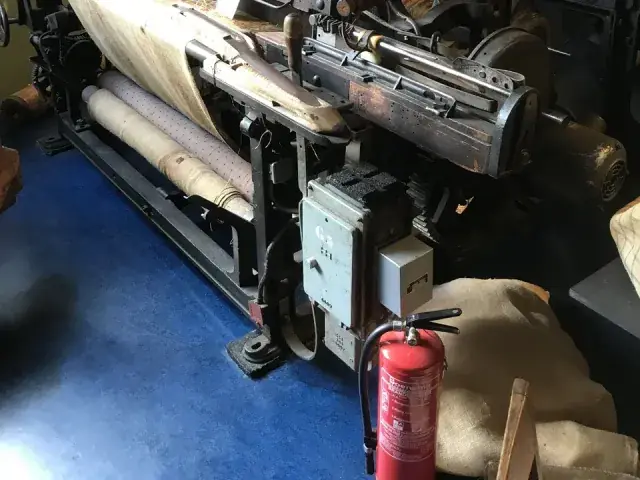
Request this machineStep 6: Weaving
Weaves jute yarn into hessian and sacking cloth.
Availability subject to feasibility check
Request this machineStep 7: Finishing and bag making
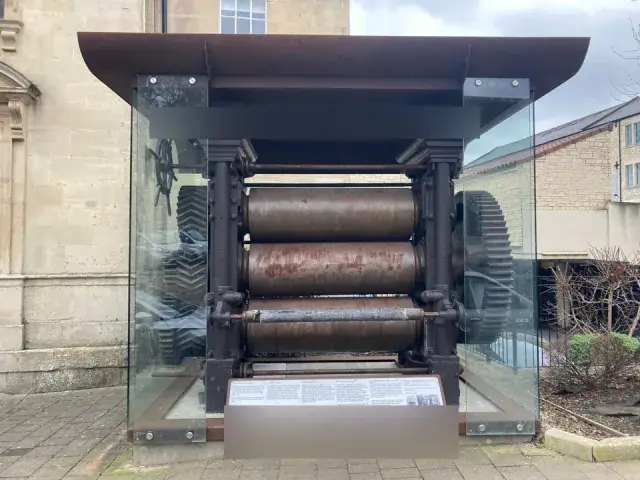
Heavy rollers that press the woven cloth smooth and flat and give it an even finish.
Availability subject to feasibility check
Request this machineStep 7: Finishing and bag making
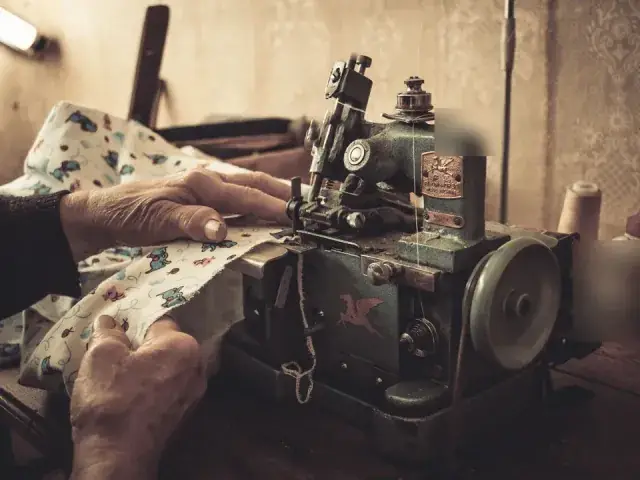
Sews cut jute cloth into sacks and bags with strong chain stitches.
Availability subject to feasibility check
Request this machineStep 7: Finishing and bag making
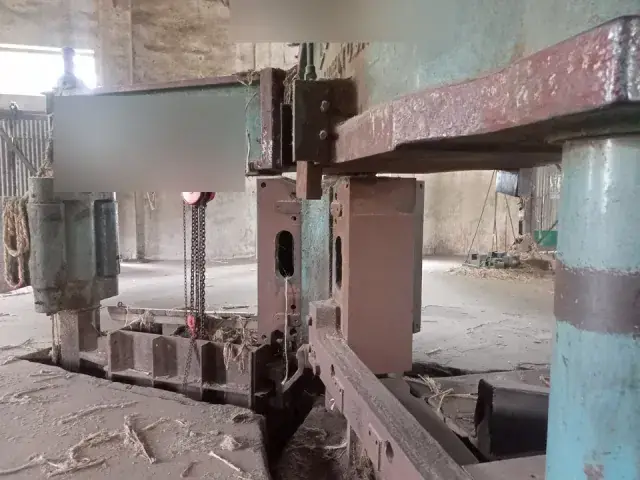
Presses finished bags or cloth into tight bales and holds them while they are strapped for shipping.
Availability subject to feasibility check
Request this machineThe main steps from raw jute to yarn, hessian and sacking, and the type of machine that usually does each one. Spinning mills stop at the yarn.
Raw jute is opened and passed through fluted rollers while water and oil are added, so the fibre turns soft and supple.
Machines at this step: Jute softener
Carding machines split and straighten the fibres and form them into a continuous ribbon called sliver.
Machines at this step: Breaker card, Finisher card
Several slivers are combined and drawn out so the ribbon becomes thinner and more even.
Machines at this step: Drawing frame
Yarn for the warp is wound onto spools and yarn for the weft onto cops, ready for the loom.
Machines at this step: Spool winder, Cop winder
Looms weave the yarn into hessian, sacking and other jute cloth.
Machines at this step: Jute loom
Cloth is pressed smooth, cut and sewn into sacks and bags, then pressed into bales for shipping.
Machines at this step: Calender, Bag sewing machine, Baling press
See which farm machine does each field job, from land preparation to harvest.